buddhism,extinct languages, satavahana-iksvaku lead coin,brahmi script,sanskrit,tulu,tamil,telugu kannada script coins,documents,vishnukundin,damodhar rao musham,Prachina Telugu Bhasha Charitra,telugu brahmi,ancient telugu script, fossiled languages,Gidugu wrote SAVARA stopped writing in telugu, srikrishnadevaraya,TANA,Prachina Telugu Bhasha lipi,brahmi lipi,tamil brahmi,kannada brahmi,satavahana trade,temples,telugu brahmi evolution,Classical status for Kannada and Telugu Languages,
Showing posts with label ancient coins. Show all posts
Saturday, September 26, 2015
Rare hyderabad coin of Afzal ud doula 22 overprints
Labels:
ancient coins,
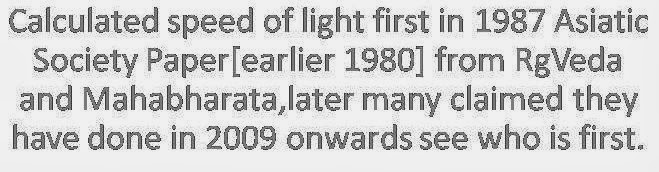
Ancient Light Speed and Damodhar rao musham,
Aryan origins Satavahana Brahmi Telugu,
Rare hyderabad coin of Afzal ud doula 22 overprints used in PERSIA AND TURKEY only known coin
Wednesday, October 16, 2013
Monday, July 29, 2013
Monday, February 25, 2013
Pot shape 2000 years old Buddhist coin
Nizam note with no 10 IN TELUGU at bottom for sale
HYDERABAD STATE BANKNOTE
The Golkonda fort is the oldest existing structure in Hyderabad.
When Sultan Alauddin Khilji of Delhi took over Warangal, Hyderabad region came under the Khilji dynasty (1310–1321 AD). Alauddin Khilji carried with him to Delhi the Koh-i-Noor diamond, which was mined from the Kollur Mines in Golkonda.Afterwards Muhammad bin Tughluq annexed Delhi, which brought Warangal under the direct rule of the Tughlaq dynasty until 1347 AD. After that, Ala-ud-Din Bahman Shah the king of the dynasty, revolted against the Sultanate and established the Bahmani Sultanate in the Deccan with Gulbarga as his capital. The Bahmani kings ruled this region until 1518 AD, becoming the first independent Muslim rulers of the Deccan.
In 1518, Sultan Quli, governor of Golkonda, revolted against the Bahmani Sultanate, and established the Qutb Shahi dynasty. Muhammad Quli Qutb Shah, the fifth sultan of the Qutb Shahi dynasty, established Hyderabad on the banks of the Musi River in 1591 AD, to relieve a water shortage the dynasty experienced at its old headquarters in Golkonda. He then constructed the Charminar, Purana pul and Mecca Masjid.
ALL ITEMS FOR SALE FOR RATES EMAIL ME INDIAN BANKNOTES ANCIENT COINS,STAMPS,POSTAL HISTORY,,,.....DAMODHARRAOM@gmail.com I exchange indian banknotes,modern ancient COINS,BANKNOTES,STAMPS,world,india,british india,bank notes,COINS STAMPS,FDC all in THEMES;Modern WORLD COINS,ANCIENT COINS FROM ALEXANDER PERIOD, BIMETAL,SHAPES OF COINS, FAMOUS THEMES;UNRECOGNIZED NEW NATIONS,COUNTRY SETS,world postal history from 1840,kings documents,ETC see blogs for info ok.please pass on info about me and my blog OK,
indian banknotes,ancient coins,telugu script coins,mughal farmans,qatar,cardboard coins,sultanate coins,bank of bengal,BUDDHA,Danish india coins,damodhar musham,yadav,
Monday, January 14, 2013
Makar Sankranti in 2013
Makar Sankranti in 2013 is on 14 January, as in every year. This year 14th January is on Monday. Sun will rise at 07:02:37am on Makar Sankranti. The auspicious time or Muhurat to perform all the religious activities and commemorating the almighty is from 07:14 to 12:36. The most auspicious time or “Maha Muhurat” is from 07:14 to 09:01 on Makar Sankranti 2013. Panchang for Makar Sankranti 2013 is prepared as per the measurements made from the location “Ujjain: in India. The sunrise on Makar Sankranti will be at 07:14:25 and Sunset is at 17:57:52. Moon rise on Makar Sankranti 2013 is at 08:50:36 and Moonset at 20:51:03.
The festival Makara Sankranti 2013 is in 1934 Nandana Shaka Samvat and Vikram Samvat 2069, the month is Paush and day is Tritiya (17:07:41), Shukla Paksha, Dhanishtha Nakshatra (constellation) (17:32:11), Siddhi Yoga (11:31:31), Garaja Karna (17:07:41), Vanija Karna (28:17:54+), Sun Sign is Capricorn (Makara), Moon sign is Aquarius,
Friday, February 3, 2012
HEIAN SCRIPT 794 AD ONWARDS

The Heian period was preceded by the Nara period and began in 794 after the movement of the capital of Japan to Heian-kyō (present day Kyōto), by the 50th emperor, Emperor Kammu. It is considered a high point in Japanese culture that later generations have always admired. The period is also noted for the rise of the samurai class, which would eventually take power and start the feudal period of Japan.
Nominally, sovereignty lay in the emperor but in fact power was wielded by the Fujiwara nobility. However, to protect their interests in the provinces, the Fujiwara and other noble families required guards, police and soldiers. The warrior class made steady gains throughout the Heian period. As early as 939, Taira no Masakado threatened the authority of the central government, leading an uprising in the eastern province of Hitachi, and almost simultaneously, Fujiwara no Sumitomo rebelled in the west. Still, military takeover was centuries away, when much of the strength of the government would lie within the private armies of the shogunate.
The entry of the warrior class into court influence was a result of the Hōgen Rebellion. At this time Taira no Kiyomori revived the Fujiwara practices by placing his grandson on the throne to rule Japan by regency. Their clan (Taira clan) would not be overthrown until after the Gempei War, which marked the start of the shogunate. The Kamakura period began in 1185 when Minamoto no Yoritomo seized power from the emperors and established a bakufu, the Kamakura shogunate, in Kamakura.
Subscribe to:
Posts (Atom)